
A website is no longer just an online brochure. In 2026 it is your sales channel, your support desk and often the first impression a customer has of your business. But a website that works perfectly in one country can fall short in another — because the laws, languages, payment methods and customer expectations are different.
At Gatetouch, we build websites and web applications for clients across several regions. This guide brings together what we have learned about the five markets our clients ask about most — the USA, United Kingdom, UAE, Switzerland and India — so you can plan the right website before a single line of code is written.
Quick answer:
✅ USA: plan for accessibility (WCAG), state privacy rules and fast, conversion-focused UX.
✅ UK: UK GDPR, cookie consent and VAT-ready e-commerce.
✅ UAE: bilingual Arabic/English with right-to-left layouts, local payments and WhatsApp leads.
✅ Switzerland: German, French and Italian content, revFADP compliance and careful data hosting.
✅ India: mobile-first speed, UPI payments and GST-ready invoicing.
Country Requirements at a Glance
Use this table as a planning checklist. Each of these points affects your design, content, development scope and timeline.
| Country | Data & compliance | Languages | Payments & leads | Collaboration with an India-based team |
|---|---|---|---|---|
| 🇺🇸 USA | WCAG accessibility, state privacy laws (e.g. California) | English (Spanish often useful) | Stripe, PayPal, Apple Pay | Evening/morning overlap with US East Coast |
| 🇬🇧 United Kingdom | UK GDPR, PECR cookie consent | English | Stripe, PayPal, VAT-ready checkout | Good overlap during UK mornings and afternoons |
| 🇦🇪 UAE | UAE personal data protection law | Arabic + English (RTL layouts) | Local gateways, AED pricing, WhatsApp | Near-identical working hours |
| 🇨🇭 Switzerland | Revised Federal Act on Data Protection (revFADP) | German, French, Italian (+ English) | Cards, TWINT, invoices in CHF | Strong overlap with Swiss working day |
| 🇮🇳 India | Digital Personal Data Protection Act | English, Hindi and regional languages | UPI, Razorpay and similar gateways | Same time zone |
Which Type of Website Do You Need?
Before thinking about countries, be clear about what you are building. The type of project decides the technology, the team and the timeline.
| Project type | Typical features | Common platforms | Typical timeline |
|---|---|---|---|
| Business / corporate website | Custom design, service pages, contact forms, SEO basics, analytics | WordPress, Joomla | 3–8 weeks |
| E-commerce store | Catalogue, cart, checkout, payments, shipping and tax rules | WooCommerce, Magento, Shopify | 6–12 weeks |
| Custom web application / portal | User roles, dashboards, workflows, APIs, integrations | Laravel, .NET, React | 3–9 months |
| Mobile app | iOS and Android apps with backend and admin panel | Flutter, native iOS/Android | 3–9 months |
Explore our CMS website development, e-commerce development and mobile application development services. For portals and platforms, our Taxi Mom franchise portal case study shows a real example, and startups should read our MVP development guide to keep version one focused.
Country-by-Country Guide
🇺🇸 Website development for businesses in the USA
American users expect fast, polished and conversion-focused websites. Accessibility is a priority: following WCAG guidelines helps people with disabilities use your site and reduces legal risk, as accessibility-related claims are common in the US. Build it in from the start — retrofitting later is slower and more disruptive.
Also plan for state-level privacy requirements such as California’s, clear cookie and data notices, and trusted payment options. Many US companies keep product ownership in-house and work with an offshore team for design and development, using the overlap between Indian evening hours and US mornings for daily calls.
🇬🇧 Website development for businesses in the UK
UK websites must comply with UK GDPR and cookie consent rules, which means a proper consent banner, a clear privacy policy and careful handling of form data. E-commerce stores need VAT-ready pricing and invoicing. With a presence in Manchester and a development team in India, Gatetouch combines UK-friendly communication with a strong delivery team.
🇦🇪 Website development for businesses in the UAE
Most UAE businesses benefit from a bilingual Arabic and English website. Arabic needs right-to-left (RTL) layouts, mirrored navigation and carefully tested typography — this must be planned in the design stage, not added later. UAE customers also expect quick contact options, so WhatsApp chat, click-to-call and short enquiry forms are essential. Local payment gateways, AED pricing and the UAE’s personal data protection requirements complete the checklist. Working hours in India and the UAE are almost the same, which makes day-to-day collaboration easy.
🇨🇭 Website development for businesses in Switzerland
Swiss websites often need content in German, French and Italian, plus English for international visitors, with a proper multilingual structure for SEO. Data protection is governed by the revised Federal Act on Data Protection (revFADP), so hosting location, data processing agreements and privacy notices need attention. Swiss users value precision, speed and clean design. Read how we approach GDPR-compliant and secure software development for European clients.
🇮🇳 Website development for businesses in India
Indian audiences are overwhelmingly mobile-first, so page speed on mobile networks is critical. E-commerce sites need UPI and local payment gateway integration, GST-ready invoices, and support for cash on delivery where relevant. India’s Digital Personal Data Protection Act also shapes how you collect and store customer data. Regional-language content can open up new audiences beyond English and Hindi.
7 Things to Plan Before You Start Development
- Goals and target markets — leads, online sales, bookings or support? Which countries come first?
- Design approach — a customised theme or a fully custom UI/UX. See our design services.
- Platform and technology — WordPress, Joomla, Laravel or the Microsoft .NET platform.
- Languages — decide early, because every language affects layout, content and SEO.
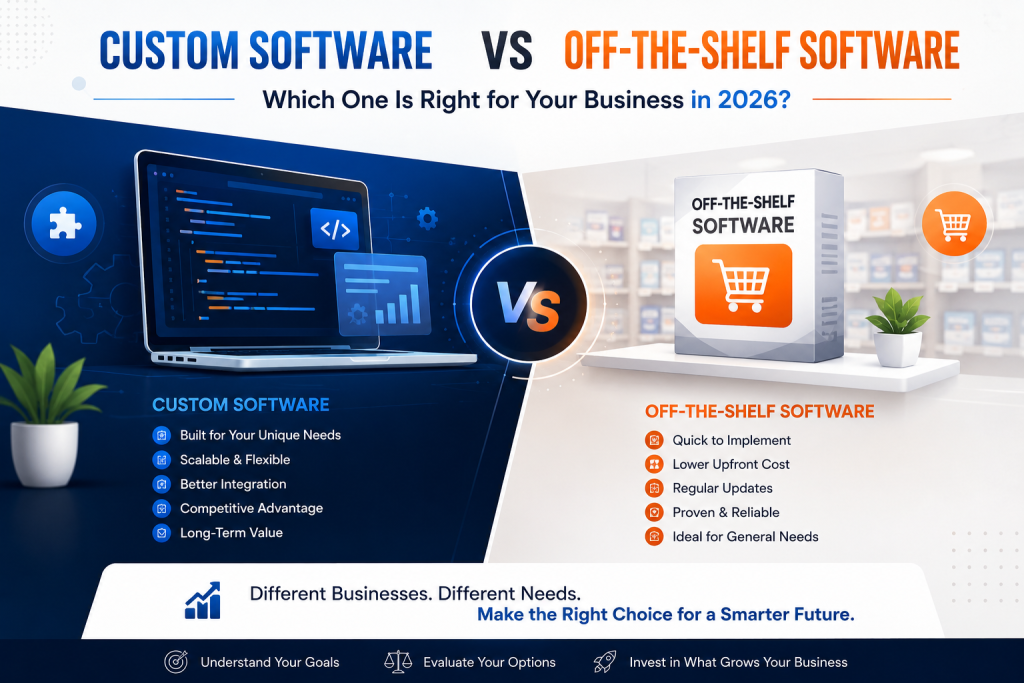
- Integrations — CRM, ERP, payment gateways, booking engines or third-party APIs. Unsure whether to build or buy? Read custom software vs off-the-shelf software.
- Testing — proper website and app testing across devices, browsers and languages.
- Hosting and growth — choose the right hosting region and scalable cloud infrastructure for your audience.
After Launch: Keep Your Website Working for You
- SEO and digital marketing — a website without traffic will not bring leads
- Security monitoring, backups and regular updates
- Ongoing maintenance and support, including platform upgrades such as a Joomla or WordPress version migration
- Content updates for every language and market you serve
How to Choose the Right Development Partner
- Check real projects — ask for work similar to yours and speak to past clients.
- Ask about process — requirements, design approval, phased development, testing and launch.
- Confirm market knowledge — RTL layouts, multilingual SEO, GDPR, revFADP or accessibility, depending on your country.
- Agree on communication — meeting times, project tools and a single point of contact.
Our full checklist is in how to choose the right software development partner in 2026.
Why Businesses Worldwide Work with Gatetouch
With more than 12 years of experience and teams in Vadodara, India and Manchester, UK, Gatetouch builds websites, web applications, e-commerce stores and mobile apps for clients in several countries. You get:
- A clear process: requirements, design approval, phased development, testing and launch
- Project tracking with Asana and version control with Git
- Dedicated QA before every release
- Experience with WordPress, Joomla, Magento, .NET, Flutter and custom web apps
- Long-term support after launch
Browse our recent projects to see the kind of work we deliver.
Planning a website or web app for your market?
Tell us your goals and target countries — we will recommend the right platform, features and timeline.
Frequently Asked Questions
Can a development team in India build a website for a business in the USA, UK, UAE or Switzerland?
Yes. Many international businesses work with Indian development teams. What matters is a clear process, regular communication, written requirements, proper testing and a partner who understands the compliance and language needs of your market.
Is offshore web development safe for GDPR, UK GDPR or Swiss data protection?
Yes, if the partner follows a clear process: signed data processing agreements, hosting in your chosen region, limited access to production data, and secure development practices. Data residency is decided by where your website and database are hosted, not where the developers sit.
How long does it take to build a website or web app?
A business website typically takes 3–8 weeks, an e-commerce store 6–12 weeks, and a custom web application or portal 3–9 months depending on features and approval speed.
Do I need a multilingual website?
It depends on your market. UAE businesses often need Arabic and English, Swiss businesses usually need German, French and sometimes Italian, and Indian businesses may benefit from regional languages. Plan languages before design, because they affect layout, content and SEO.
What should I prepare before contacting a web development company?
Prepare your goals, target countries, must-have features, examples of websites you like, existing content and branding, required integrations, and your preferred launch date. This makes estimates faster and more accurate. Contact us when you are ready.